

Last Updated on: Sep 26, 2025
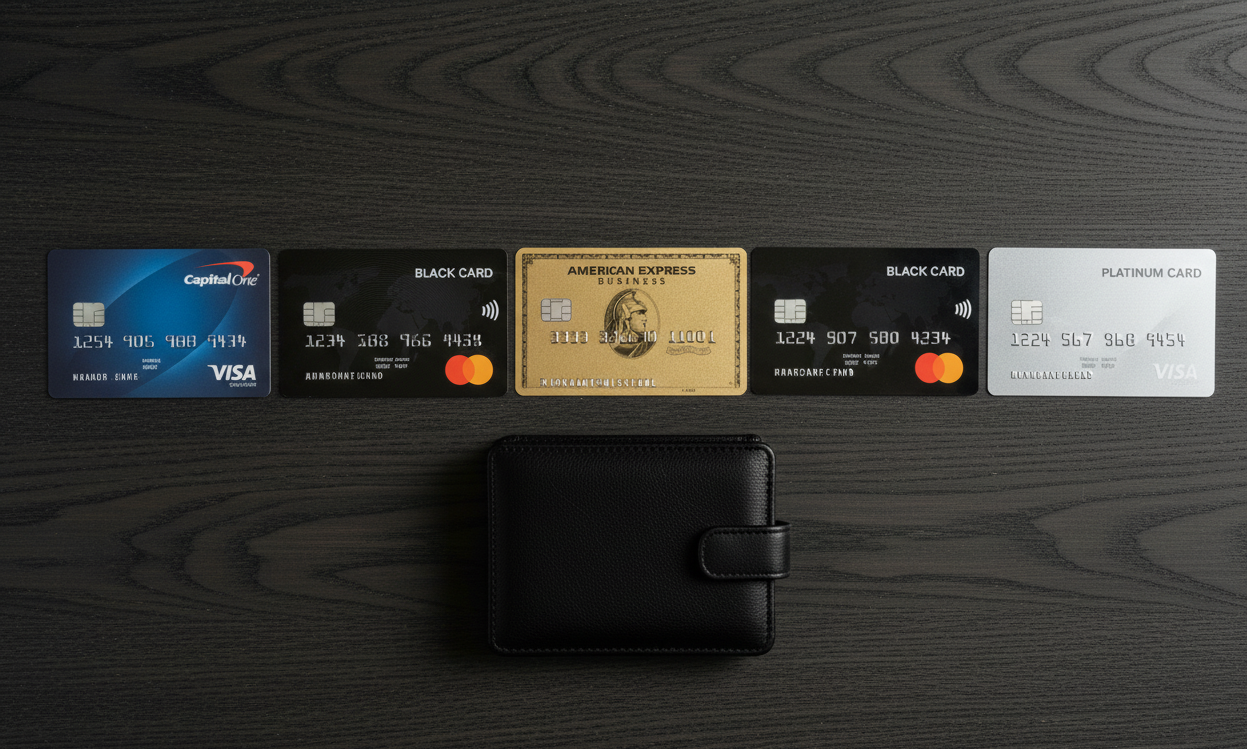
Starting a business in 2025 is exciting, but it also comes with unique financial challenges. One of the smartest tools a founder can use is a business credit card designed specifically for startups. The right card can help manage cash flow, build business credit, and unlock rewards that directly benefit the company.
In this guide, we’ll explore the best business credit cards for startups in 2025, their benefits, and how to choose the one that fits your company’s needs.
What We'll Cover
- Why Business Credit Cards Matter for Startups
- Comparison of the Best Startup Credit Cards 2025
- Breaking Down the Best Options
- Ink Business Unlimited® (Chase)
- Blue Business® Plus (American Express)
- Capital One Spark Cash / Cash Plus
- Capital One Venture X Business
- Brex Corporate Card
- Trends Shaping Startup Credit Cards in 2025
- How to Choose the Right Startup Credit Card
- Pro Tips for Maximizing Business Credit Cards
- Conclusion
Why Business Credit Cards Matter for Startups
Launching a business often means working with limited capital. Many founders rely on credit cards not just for convenience but as a lifeline in the early months. Having the right card can make the difference between staying afloat and falling into unmanageable debt.
Here are four key reasons they matter:
- Cash flow management: Cover essential expenses before revenue becomes consistent. Instead of draining personal savings, startups can leverage credit for payroll, software, or equipment.
- Separation of finances: Keeping business and personal expenses apart simplifies accounting and tax preparation. It also helps build a professional financial identity.
- Rewards and perks: Many business credit cards offer cashback, points, or travel benefits. These add up quickly and can reduce operating costs.
- Credit building: Establishing a credit history in the company’s name is essential for future financing like loans or venture capital.
Comparison of the Best Startup Credit Cards 2025
| Card | Best For | Annual Fee | Key Rewards/Features |
|---|---|---|---|
| Ink Business Unlimited® (Chase) | Simplicity and flat-rate cashback | $0 | 1.5% cashback on all purchases |
| Blue Business® Plus (AmEx) | Flexible points earning | $0 | 2x points on everyday purchases (up to annual cap) |
| Capital One Spark Cash / Cash Plus | High spend businesses | $0–$150 (varies) | Strong cashback in key categories |
| Capital One Venture X Business | Travel-heavy startups | $395 | Travel credits, lounge access, high travel rewards |
| Brex Corporate Card | Startups with little credit history | $0 | No personal guarantee, rewards on tech/SaaS |
Breaking Down the Best Options
Ink Business Unlimited® (Chase)
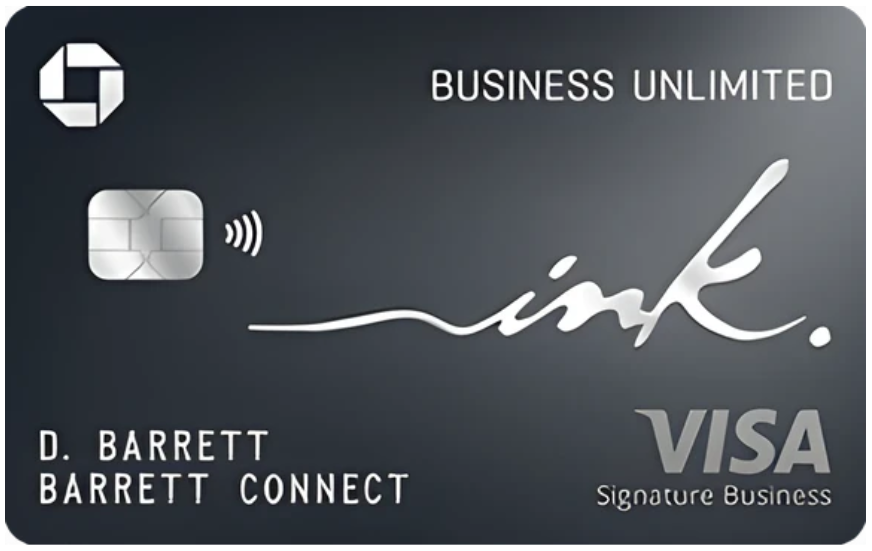
This card is designed for founders who value simplicity. With no annual fee and a flat 1.5% cashback on every purchase, you don’t have to worry about tracking categories. Startups can also earn a sign-up bonus after meeting minimum spending, which is helpful in covering early expenses. It’s perfect for businesses with varied purchases like supplies, advertising, and subscriptions.
Blue Business® Plus (American Express)
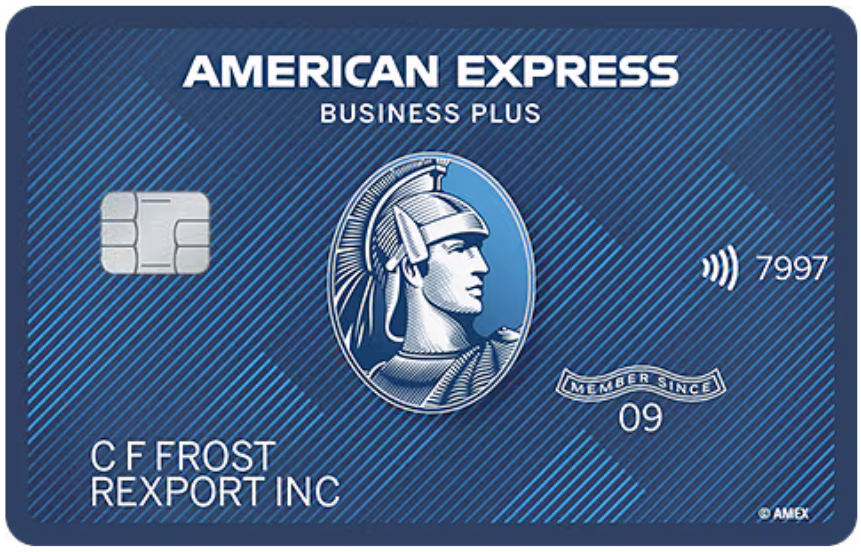
This AmEx card is excellent for startups that want to accumulate Membership Rewards points. It offers 2× points on everyday purchases up to a spending cap (usually $50,000 per year). After that, it reverts to 1× point per dollar. Because AmEx points can be redeemed for travel, gift cards, or statement credits, this card works well for businesses that want flexible rewards without paying an annual fee.
Capital One Spark Cash / Cash Plus

Startups with high monthly spending can benefit from Spark Cash or Spark Cash Plus. They deliver higher cashback percentages in categories like travel, dining, or large purchases. While some versions have an annual fee, the rewards structure can more than offset the cost if the business spends heavily each month. These cards also come with expense tracking and reporting tools to support growth.
Capital One Venture X Business

For travel-focused startups, Venture X Business is a premium choice. It charges a $395 annual fee, but includes perks such as $300 annual travel credit, airport lounge access, and 10× points on hotels and rental cars booked through Capital One Travel. The card is most valuable for companies where travel is central—consulting firms, remote teams meeting clients, or founders frequently attending global events.
Brex Corporate Card

Brex has become a favorite among funded startups or new businesses with little credit history. Unlike traditional cards, it doesn’t require a personal guarantee, meaning the founder’s personal assets aren’t at risk. Instead, approval is based on business financials such as revenue, funding, or cash flow. Brex offers strong rewards on categories relevant to tech companies—like software, rideshare, and restaurants—plus modern features like virtual cards and integrations with accounting platforms.
Trends Shaping Startup Credit Cards in 2025

- Shift toward automation: Many startups prefer fintech options like Ramp or Divvy because of their strong reporting features.
- Reduced reliance on personal guarantees: Cards like Brex are popular since they don’t tie founders’ credit scores to business debt.
- Hybrid perks: Traditional issuers are offering more travel and cashback combinations to stay competitive.
- Focus on global growth: With startups scaling internationally, cards with low foreign transaction fees and international rewards are gaining attention.
How to Choose the Right Startup Credit Card
Not every startup will benefit from the same type of card. Here are the main considerations:
- Evaluate spending patterns – If most expenses are on software, a fintech card like Brex may deliver more relevant perks. For travel-heavy startups, Venture X Business may offer better returns.
- Check fees and APR – Some premium cards deliver luxury perks but charge high annual fees. Always weigh benefits against costs.
- Consider approval requirements – Founders with strong personal credit can apply for traditional cards like Chase or AmEx, while newer startups may prefer corporate cards without guarantees.
- Look at scalability – As your company grows, you may need employee cards, automated reports, and spending controls. Fintech issuers excel here.
Pro Tips for Maximizing Business Credit Cards
- Always pay in full to avoid interest charges that can wipe out rewards.
- Leverage sign-up bonuses—many cards offer hundreds of dollars in rewards if you meet minimum spending.
- Integrate with accounting software for smoother bookkeeping.
- Issue employee cards with limits to simplify team spending.
- Monitor credit regularly to ensure your business is building a strong profile.
Conclusion

The best business credit card for your startup in 2025 depends on your company’s spending habits, growth stage, and financial goals.
- If you want simplicity and no fees, choose Chase Ink Business Unlimited® or AmEx Blue Business Plus®.
- If your startup has heavy spending, go with Capital One Spark Cash or Venture X Business to maximize returns.
- If you prefer modern fintech solutions, Brex offer automation and flexibility.
The responses below are not provided, commissioned, reviewed, approved, or otherwise endorsed by any financial entity or advertiser. It is not the advertiser’s responsibility to ensure all posts and/or questions are answered.